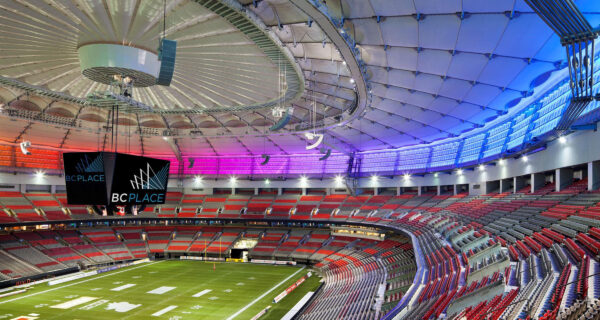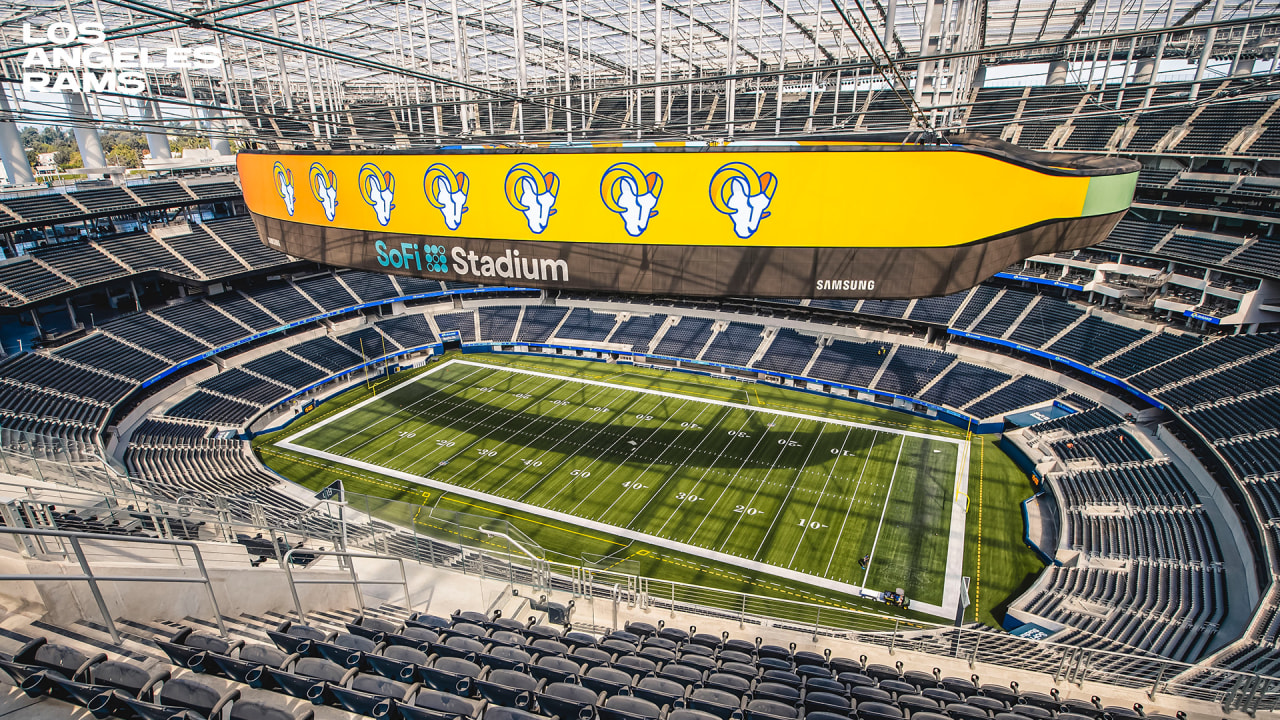
SoFi Stadium stands as one of the most innovative sports venues in the world. This architectural masterpiece will welcome soccer fans from around the globe during the 2026 FIFA World Cup, hosting eight matches including a thrilling quarterfinal showdown.
Stadium Capacity
The venue can accommodate 70,240 spectators for regular events. This number expands to over 100,000 guests for special occasions. The stadium features more than 260 luxury suites and over 13,000 premium seats, offering options for every type of fan.
For the 2026 FIFA World Cup, officials will make adjustments to meet international requirements. The field will expand to accommodate soccer’s dimensions, and temporary seating additions may boost capacity. Workers designed the stadium with demountable seating systems that function like Legos, making these modifications straightforward.
Location and Accessibility
SoFi Stadium sits in Inglewood, California, at 1001 Stadium Drive. The venue occupies the former Hollywood Park Racetrack site, just three miles from Los Angeles International Airport. This prime location places the stadium directly in LAX’s flight path, which influenced many critical design decisions.
The stadium serves as the centerpiece of Hollywood Park, a massive 298-acre mixed-use development. Visitors find themselves surrounded by retail shops, restaurants, hotels, residential units, and 25 acres of beautifully landscaped parks. The complex includes the 6,000-seat YouTube Theater and a sprawling 2.5-acre American Airlines Plaza.
Architectural Design and Innovation
HKS Architects created this stunning structure in collaboration with structural engineers from Walter P Moore. The design process began in 2016, and construction wrapped up in 2020. The project’s final cost exceeded $5 billion, making it the most expensive stadium ever built. Stan Kroenke, owner of the Los Angeles Rams, privately funded the entire development.
The Revolutionary Roof System
The translucent roof canopy represents one of the stadium’s most distinctive features. This massive structure covers not just the stadium bowl but also the YouTube Theater and American Airlines Plaza. The roof spans approximately one million square feet from end to end.
Engineers constructed the roof using 302 unique ETFE panels. These panels use ethylene tetrafluoroethylene, a lightweight material that serves as an alternative to glass. The ETFE provides excellent UV protection and resists atmospheric pollution. Each panel features a custom size and shape, with no two panels being identical.
The roof includes 46 mechanized vents that open and close to regulate temperature. Heat from 70,000 spectators can dissipate naturally through these vents. The remaining 256 panels stay permanently fixed. The ETFE creates a semi-clear cover that blocks approximately 65 percent of sunlight through a frit pattern, keeping fans comfortable.
Surrounding the translucent ETFE panels are 34,789 perforated anodized aluminum panels. Each aluminum piece features unique sizing, shaping, and perforation. This design enables proper airflow, enhances acoustics, and provides structural support. The roof sits about 4 degrees cooler than outside temperatures.
The canopy features 27,000 embedded LED pucks capable of displaying images and videos. Passengers on planes flying into LAX can see these stunning displays from the sky.
Below-Ground Design
FAA height restrictions presented a significant challenge due to the stadium’s proximity to LAX. Designers solved this problem by sinking the stadium 100 feet below ground level. Construction crews excavated over 7 million cubic yards of dirt to create the massive stadium bowl.
This partially submerged design creates an “embedded object” that integrates naturally with Southern California’s landscape. Two landscaped canyons carved into the east and west sides bring natural light and native plants down to the lowest public levels. Standing on the field, quarterbacks can look through the seating bowl and see palm trees.
The Oculus Video Board
Suspended from the roof hangs the spectacular Oculus, the largest video board in sports. This oval-shaped, double-sided display stretches 120 yards long and stands four stories high at its tallest points. The board weighs approximately 2.2 million pounds (1,000 metric tons).
The Oculus features 70,000 square feet of digital LED displays with 4K HDR resolution. The system contains 80 million pixels across its surfaces. Built into the structure are 260 speakers that handle all stadium audio, plus 56 5G internet antennas. Every display surface can show unique content, whether live footage, statistics, or animated graphics.
Creating content for this revolutionary display requires 80 to 85 professionals during events. Teams must consider how content appears from every seat, making the production unlike anything done before in sports venues.
Earthquake-Resistant Features
Southern California’s seismic activity demanded innovative engineering solutions. The roof structure stands completely free from the stadium bowl, supported by 37 massive earthquake-resistant columns. These columns range in height from 42 feet to 153 feet.
A giant “seismic moat” up to 12 feet wide and 100 feet deep circles the entire stadium. During an earthquake, the roof and stadium bowl can move independently. The roof stays open on three sides, allowing Pacific Ocean breezes to flow naturally through the seating area.
The cable net roof system uses a double-grid configuration, making it the largest of its kind ever built. More than 1,400 tons of steel cable support the structure. The compression ring that anchors everything reaches the ground at three points and includes 37 additional support columns.
Transportation and Parking Options
Getting to SoFi Stadium requires advance planning. The venue operates with extremely limited onsite parking. All guests must secure parking passes before arrival. The stadium strongly recommends purchasing parking online in advance, as prices increase significantly on event days.
Parking Zones
SoFi Stadium divides parking into color-coded zones. The Hyundai parking zones include Green, Blue, Orange, Pink, Purple, and Yellow zones. Each zone contains multiple lots, and parking pass holders receive assignments to specific zones. Lots typically open three to four hours before events.
The stadium provides accessible parking in every zone on a first-come, first-served basis. Accessible shuttle services operate during select events, connecting designated pickup points throughout Hollywood Park.
Public Transportation
Metro rail service offers an excellent alternative to driving. Visitors can take the Metro C Line or K Line and exit at the LAX/Metro Transit Center Station. Metro operates shuttle buses from Bus Bay 8 directly to SoFi Stadium on game days.
Several other public transit options serve the stadium. GTrans runs Line 7X from Harbor Gateway Transit Center every Sunday for $4 round trip. Torrance Transit provides service for $4 round trip. Culver CityBus operates Line 99 Express for $2 round trip.
The free shuttle service starts running three hours before kickoff and continues until 90 minutes after events conclude. Shuttles arrive every five to eight minutes during peak times.
Inglewood Park & Go
The City of Inglewood created the Park & Go program to offer remote parking with shuttle service. This affordable option lets fans reserve spaces in advance. Multiple locations throughout Inglewood participate in the program.
Rideshare Options
Designated rideshare dropoff points sit on the northbound curb lane of Kareem Court. Drivers access this area via westbound Pincay Drive and follow traffic officer instructions. Pickup locations sit on Kareem Court and Manchester Boulevard.
Rideshare drivers must arrive by the end of the third quarter for football games. After the fourth quarter starts, access becomes restricted, and pickups move to alternate locations.
Stadium Amenities and Features
SoFi Stadium creates an unparalleled fan experience through thoughtful amenities and services. The 3.1-million-square-foot facility offers extensive options for food, beverages, and entertainment.
Dining Options
The stadium features an “LA Eats” concept with four distinct concession areas inspired by iconic Los Angeles neighborhoods. Options include pizza, Italian sandwiches, burgers, hot dogs, chicken strips, burritos, nachos, and tacos.
New menu items for recent seasons include the LA Street Dog, a bacon-wrapped hot dog with caramelized onions and jalapeño aioli. Other additions feature Pork Char Siu with steamed rice, Tempura Stuffed Peppers, Beef Flautas, and various loaded fries styles.
Market Grills throughout multiple levels serve classic gameday favorites. Grab-and-go markets offer everything from hot dogs to sushi. Dessert options include churro bites, Italian custard, cookies, brownies, cheesecake, and tres leches cake.
The stadium provides self-ordering kiosks at various concession stands. Fans can use the Uber Eats app to order food and drinks for in-seat delivery or pickup. QR codes throughout the venue link to digital dining guides.
Outside food generally cannot enter the stadium. Exceptions include one factory-sealed water bottle (20 ounces or less), soft-sided juice or milk containers, and medically necessary liquids in sealed containers.
Premium Seating and Clubs
VIP Club sections sit near the 50-yard line, offering all-inclusive food and beverages, wider padded seats, and direct access to the two-level VIP Club Lounge. Standard club seats provide extra legroom, concierge service, and premium food access.
The stadium offers seven different suite types. Perch Suites accommodate 8 to 12 guests with intimate settings. Patio Suites feature two levels with capacity for 20 to 26 guests. Executive Suites hold 12 to 30 guests with private indoor and outdoor seating.
Field-level options include Bungalow Suites closest to the action and Field Cabanas just feet from the turf. The SoFi Social Club sits behind the Rams bench with an outdoor patio and all-inclusive dining.
Premium clubs feature unique themes and elevated service. The Pepsi Lounge offers chef-driven cuisine and cocktail bars. The Chairman’s Club serves VIP Suite guests with private chefs and high-end finishes. The Google Cloud Club includes sleek digital displays and modern furniture.
Lake Park and Outdoor Spaces
A stunning 6-acre lake sits in front of the stadium, featuring cascading waterfalls between upper and lower sections. The lake holds 16 million gallons of recycled water and serves as both a recreational space and a novel water recycling system.
The park collects 70 to 80 percent of stormwater runoff from the site. Natural wetlands and mechanical systems filter the water, which then irrigates surrounding parkland. This system saves approximately 26 million gallons of drinking water per year.
More than 5,000 trees and native California plant species create a lush environment. Walking trails and gathering spots surround the lake. The landscape design incorporates desert elements on the north side and sycamore trees with tall grasses around the lake.
Sustainability Features
SoFi Stadium received recognition for achieving sustainable management standards, becoming one of only three NFL stadiums with this voluntary certification. The venue commits to managing environmental, economic, and social impacts through continuous data tracking and improvement.
The ETFE roof material contributes significantly to green construction. Its manufacturing process produces minimal environmental impact. The lightweight material reduces the overall weight of supporting structures, saving fabrication and transportation needs while reducing the carbon footprint.
Solar panels installed throughout the complex represent one of the largest implementations in sports arenas nationwide. These panels generate clean energy that supports daily operations. The facility also uses low-flow water fixtures throughout.
The stadium’s open-air, partially subterranean design limits the need for energy-intensive mechanical systems. All lighting adheres to FAA guidelines, which reduces light pollution on non-event days. The design also minimizes disruption to regional wildlife and migrating birds.
Almost all dirt excavated during construction remained onsite, decreasing the need for trucked-in soil. The landscape uses 100 percent Southern California-native plant species adapted to the Mediterranean climate.
Stadium Policies
Understanding stadium policies helps ensure a smooth visit. SoFi Stadium enforces a clear bag policy for all events. Permitted bags must be clear plastic, vinyl, or PVC and cannot exceed 12 inches by 6 inches by 12 inches.
Small, non-clear clutch bags up to 4.5 inches by 6.5 inches receive approval with or without handles or straps. Traditional backpacks, briefcases, fanny packs, oversized purses, camera bags, coolers, and luggage cannot enter.
Diaper bags must comply with the clear bag policy. Medically necessary items require additional screening and may need bag tags.
The stadium offers bag valet service at four locations for $20 per bag. This service operates during select events at the southwest, northwest, and northeast corners. SoFi cardholders can check non-approved bags for free.
All guests undergo security screening before entry. Security representatives inspect all bags and may ask guests to shift or remove contents. Printed ticket copies are not permitted; guests must use digital tickets via the SoFi Stadium app or Ticketmaster.
Children three years and older need tickets for NFL games. For other events, children two years and older require tickets.
Major Events and Future Plans
SoFi Stadium opened in September 2020 as home to both the Los Angeles Rams and Los Angeles Chargers. The venue has already hosted Super Bowl LVI in 2022, the College Football National Championship in 2023, and WrestleMania 39 in 2023.
During the 2026 FIFA World Cup, the stadium will host eight matches. These include five group stage games on June 12, 15, 18, 21, and 25. The United States men’s national team will play their opening match here on June 12. Two round-of-32 matches follow on June 28 and July 2. A quarterfinal match caps the schedule on July 10.
The 2028 Summer Olympics will bring additional global attention. SoFi Stadium will host swimming events, becoming the largest swimming venue in Olympic history. The stadium will also co-host the Olympic Opening Ceremony on July 14, 2028, alongside the Los Angeles Memorial Coliseum. The Paralympic Opening Ceremony will take place entirely at SoFi on August 15, 2028.
The stadium consistently ranks as the number one venue worldwide for top-grossing concert and live event ticket sales. Major artists like Justin Bieber, BTS, and the Rolling Stones have performed here. Upcoming concerts include Los Bukis and Ed Sheeran.
FAQs
1. How many people can SoFi Stadium hold during World Cup matches?
SoFi Stadium holds 70,240 guests for regular events and can expand beyond 100,000 for special occasions. For the 2026 FIFA World Cup, officials will adjust the seating configuration to meet international requirements, with modifications including demountable seating systems.
2. Where exactly is SoFi Stadium located in Los Angeles?
The stadium sits at 1001 Stadium Drive in Inglewood, California, approximately three miles from Los Angeles International Airport. It occupies the former Hollywood Park Racetrack site within a 298-acre sports and entertainment complex that includes shopping, dining, and parks.
3. How can visitors get to SoFi Stadium using public transportation?
Visitors can take the Metro C Line or K Line to LAX/Metro Transit Center Station, then board free shuttle buses from Bus Bay 8. Other options include GTrans Line 7X, Torrance Transit, and Culver CityBus Line 99 Express with fares ranging from $2 to $4 round trip.
4. How much did it cost to build SoFi Stadium?
Construction costs exceeded $5 billion, making it the most expensive stadium ever built worldwide. Los Angeles Rams owner Stan Kroenke privately funded the entire project without public subsidies. Construction began in 2016 and concluded in 2020 with nearly 18 million worker hours completed.
5. Can fans purchase parking at SoFi Stadium on game day?
Purchasing parking online before arrival receives strong recommendation because prices increase significantly on event days. All guests must have parking passes, and onsite parking inventory is extremely limited. The City of Inglewood’s Park & Go program offers affordable remote parking with shuttle service.