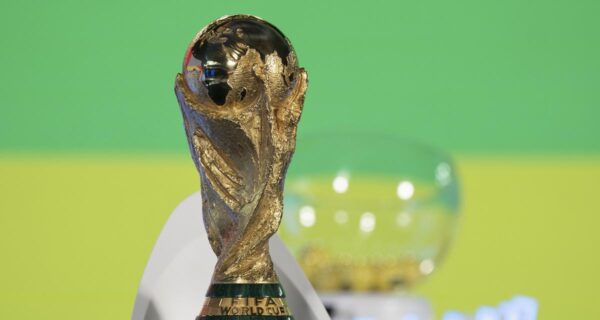
The World Cup draw represents one of football’s most anticipated events. Millions of fans around the globe watch as teams learn their group stage opponents. This process determines matchups for the biggest tournament in sports.
The 2026 edition brings new complexity with 48 teams competing across North America.
Understanding the Basic Draw Structure
The World Cup draw divides qualified teams into groups. Each group contains four teams. These teams come from four different “pots” based on FIFA rankings and host status. The draw creates balanced competition across all groups.
FIFA organizes teams into pots before the ceremony begins. Pot 1 contains the strongest teams plus host nations. Pots 2, 3, and 4 follow in descending order of FIFA rankings. Each group receives exactly one team from each pot.
The Four-Pot System Explained
Pot 1 Composition
Pot 1 holds the three host countries automatically. For 2026, the United States, Canada, and Mexico occupy these spots. The remaining nine positions go to the highest-ranked qualified teams according to FIFA rankings released in November 2025.
Spain, Argentina, France, England, Brazil, Portugal, Netherlands, Belgium, and Germany complete Pot 1. These teams avoid facing each other during group stage play. Host nations receive pre-assigned groups to ensure matches occur in their territories.
Pots 2, 3, and 4 Organization
The remaining 36 teams fill Pots 2, 3, and 4. Rankings determine placement. Pot 2 contains teams ranked 13-24 among qualified nations. Pot 3 holds teams ranked 25-36. Pot 4 includes the lowest-ranked teams plus playoff qualifiers.
Teams not yet determined through playoffs receive placeholder positions. These placeholders enter Pot 4 regardless of eventual FIFA rankings. Six spots remain open during the December 2025 draw for playoff winners determined in March 2026.
The Physical Draw Procedure
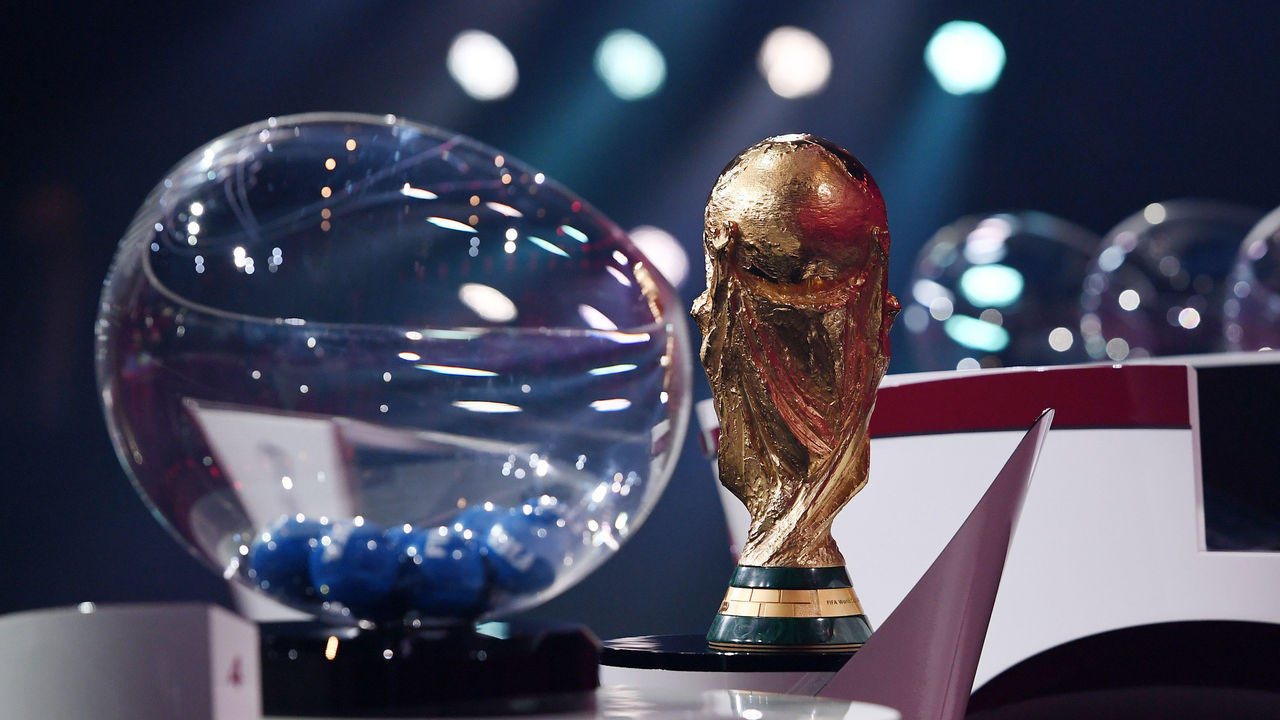
Officials write each team’s name on paper slips. These slips go inside plastic balls. The balls carry numbers 1-4 matching their pot assignments. Officials place all balls from one pot into a large glass bowl.
Draw assistants select one ball at a time from the bowl. They open each ball and announce the team name. This process repeats until all teams receive group assignments. The ceremony follows a strict order starting with Pot 1 teams.
Computer-Assisted Allocation
Modern draws use computer systems alongside physical ball selection. When officials draw a team, computers evaluate available group placements. The system respects geographical restrictions automatically. Teams receive assignment to the first eligible group alphabetically.
This technology prevents human error. It ensures all confederation rules apply correctly. The computer displays each assignment instantly on screens. Fans watching worldwide see results in real-time.
Geographical Restrictions and Confederation Rules
FIFA implements confederation restrictions to maintain competitive balance. No group can contain two teams from the same confederation. One major exception exists for UEFA (European teams). Groups can include up to two UEFA nations because Europe qualifies many teams.
African teams cannot share groups with other African nations. South American teams must separate from CONMEBOL rivals. Asian, North American, and Oceanian confederations follow the same pattern. These rules prevent qualification rematches during group stages.
The computer system tracks these restrictions during the draw. When officials select a team, the software identifies eligible groups instantly. Teams enter the first available group meeting all requirements. This process continues until all 48 teams find placement.
Pre-Assigned Host Nation Groups
Host countries receive guaranteed group placements before the draw begins. This arrangement ensures matches occur in their home territories. Mexico occupies Group A. Canada takes Group B. The United States fills Group D.
These pre-assignments affect the draw sequence. When officials draw other Pot 1 teams, computers skip host nation groups. This maintains one team per pot per group. The system works seamlessly throughout the ceremony.
The 2026 Draw Specifics
Date and Location
The 2026 World Cup draw occurs on December 5, 2025. The John F. Kennedy Center for the Performing Arts in Washington, D.C. hosts this event. The ceremony begins at 12 p.m. Eastern Time (5 p.m. GMT). President Donald Trump serves as chairman of the venue.
Major networks broadcast the draw globally. FOX carries live coverage in the United States. Streaming options include FOX Sports App and FOXSports.com. Over 200 territories receive the broadcast signal.
Format Changes for 48 Teams
The 2026 tournament marks FIFA’s first 48-team World Cup. Previous editions featured 32 teams in eight groups. The new format creates 12 groups of four teams. This expansion adds 16 teams compared to Qatar 2022.
Each group plays round-robin matches. The top two teams advance to knockout rounds. Additionally, the eight best third-place finishers qualify for a new Round of 32. This creates 104 total matches across the tournament.
FIFA Rankings and Seeding Impact
FIFA rankings released in November 2025 determine pot placement. Teams earn ranking points through competitive matches over four years. Stronger opponents provide more points for victories. Recent results carry greater weight than older matches.
Rankings create significant competitive advantages. Pot 1 teams avoid other elite opponents during group stages. They face theoretically weaker teams from lower pots. Lower-ranked teams in Pot 4 encounter difficult paths through groups.
Spain currently leads FIFA rankings. Argentina sits second. France, England, Brazil, Portugal, Netherlands, Belgium, and Germany round out the top nine. These teams expect Pot 1 placement barring major ranking changes.
Knockout Stage Bracket Determination
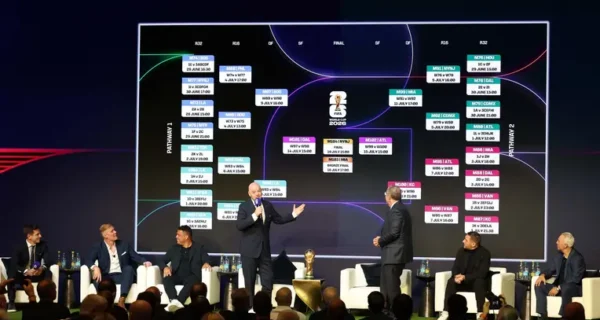
The draw establishes more than group opponents. It determines potential knockout stage paths. Each team learns which groups feed into their knockout bracket section. Group winners face runners-up or third-place teams from other groups.
FIFA designs bracket paths before the tournament begins. Teams know potential quarterfinal and semifinal opponents based on group performance. This structure adds strategic importance to finishing positions. First place in groups often provides easier Round of 32 matchups.
Historical Evolution of the Draw Process
Early Tournament Draws
The first World Cup in 1930 featured no formal draw. FIFA invited 13 teams to Uruguay. Organizers created a simple knockout format with basic seeding. The concept of group stages arrived in 1950.
Early draws lacked the sophistication of modern procedures. Officials used straightforward lottery systems. No geographical restrictions existed. Television coverage remained minimal. The process focused purely on competitive balance.
Modern Televised Ceremonies
The draw transformed into a global television event by the 1980s. FIFA recognized the ceremony’s promotional value. Productions grew elaborate with celebrity hosts and cultural performances. Millions tuned in to watch their nations learn opponents.
Technology improved accuracy and transparency. Computer systems replaced manual tracking of restrictions. Digital displays provided instant information. FIFA added rehearsals to prevent technical problems. The draw became a polished spectacle marking the tournament’s official countdown.
Controversies and Notable Incidents
The 1982 Draw Disaster
The 1982 World Cup draw in Spain became infamous for multiple errors. Officials placed Scotland in the wrong group initially. They conducted a partial redraw mid-ceremony. Machines malfunctioned repeatedly. Honduras’ ball broke in half during selection.
Geographical restrictions caused confusion among organizers. They failed to remove certain teams from pots properly. The ceremony descended into chaos on live television. FIFA learned valuable lessons about preparation and contingency planning.
Heated Ball Allegations
Former FIFA president Sepp Blatter claimed some European draws used temperature manipulation. He stated officials heated or cooled certain balls. Draw assistants could identify specific teams by touch. This method allegedly rigged results to favor particular matchups.
Blatter insisted FIFA never employed this tactic. He blamed European competitions for the practice. UEFA called the accusations “completely absurd.” FIFA now uses transparent procedures and computer verification. Officials emphasize the draw’s complete randomness.
Playoff Teams and Placeholder Positions
Six World Cup spots remain undecided during the December 2025 draw. Four come from UEFA playoffs involving 16 European nations. Two emerge from intercontinental playoffs featuring six teams. These matches occur in March 2026.
The draw uses placeholders for these teams. Pot 4 holds all six placeholder positions. FIFA considers placing some playoff teams in higher pots based on current rankings. However, this decision remains pending official announcement.
Playoff winners learn their group assignments after qualifying. FIFA slots them into predetermined placeholder positions. These teams face tight preparation schedules. Only three months separate qualification from tournament kickoff.
Impact on Tournament Preparation
Draw results immediately affect team planning. Nations learn stadium locations for group matches. Coaching staffs begin opponent analysis. Travel logistics take shape based on group assignments.
Favorable draws boost team morale and fan confidence. Difficult groups create anxiety but also motivation. Media coverage intensifies around potential upset opportunities. Sponsors and broadcasters adjust marketing based on marquee matchups.
Host cities discover which teams visit their stadiums. Local organizing committees finalize security and hospitality plans. Hotels and transportation services prepare for specific fan bases. The draw sets countless logistical operations into motion.
The Role of FIFA Officials and Assistants
FIFA appoints respected football figures as draw assistants. Former players and coaches often fill these roles. They physically select balls from bowls under strict protocols. Multiple officials verify each selection before announcements.
Transparency remains paramount throughout the ceremony. Multiple camera angles capture every ball selection. Independent observers monitor the process. FIFA provides detailed procedural documents to media beforehand. This openness prevents accusations of impropriety.
Key Differences from Other Tournaments
The World Cup draw resembles other major football competitions. The Champions League used similar procedures before its 2024 format change. However, World Cup geographical restrictions prove more complex. Continental championships lack the same confederation diversity.
Domestic cup competitions often use numbered balls instead of names. The World Cup maintains tradition with written team names. This creates more dramatic reveals during the ceremony. The personal touch adds emotional weight to each announcement.
What Happens After the Draw
Teams receive official confirmation of all group stage details. FIFA publishes complete match schedules within days. Specific dates and kickoff times for each game become public. Ticket sales begin with fans knowing exact matchups.
Qualification playoff winners face additional uncertainty. They cannot complete opponent analysis until March 2026. This disadvantage affects preparation quality. Teams must develop flexible tactical plans accounting for multiple possible opponents.
Broadcasting networks finalize commentary teams and coverage plans. Sponsors activate marketing campaigns featuring specific rivalries. Media generates endless speculation about group outcomes. The draw’s impact resonates for months leading to tournament kickoff.
FAQs
1. How are teams divided into pots for the World Cup draw?
Teams receive pot assignments based on FIFA world rankings released one month before the draw ceremony. Pot 1 contains host nations plus the nine highest-ranked qualified teams. Pots 2, 3, and 4 follow in descending order of rankings. Each pot holds exactly 12 teams for the 48-team format introduced in 2026.
2. Can two teams from the same continent be drawn into the same group?
FIFA prohibits two teams from the same confederation in one group with one exception. European teams (UEFA) can appear twice in the same group because Europe qualifies many nations. All other confederations including Africa, Asia, South America, North America, and Oceania maintain strict separation rules.
3. When does the 2026 World Cup draw take place?
The draw ceremony occurs on December 5, 2025, at the Kennedy Center in Washington, D.C. The event begins at 12 p.m. Eastern Time. This timing allows six months of preparation before the tournament starts on June 11, 2026. The ceremony includes 42 confirmed teams plus six playoff placeholders.
4. What role does the computer play in the World Cup draw?
Computer systems evaluate each drawn team for eligible group placement automatically. The software enforces geographical restrictions preventing confederation conflicts. It assigns teams to the first available group alphabetically that meets all requirements. This technology eliminates human error and ensures complete transparency throughout the process.
5. How does the draw affect knockout stage matchups?
The draw determines potential knockout round paths beyond group assignments. Each group feeds into specific bracket positions for the Round of 32. Teams learn which other groups could produce their elimination stage opponents. Finishing first versus second in groups creates vastly different competitive paths through later rounds.